Showing posts with label Mold Remediation. Show all posts

Wednesday, 26 August 2015

Identifying Mold

Identifying mold growth in your home is an urgent task; which isn’t to say you should check for it daily--that would be time consuming and absurd. What would be more practical is to learn the signs of mold growth and learning to identify their source. Here at Ecopure Restoration, we suggest running through these signs before calling an expert:

CONCEALED SIGNS

One sign that there might be a growth in your home is if you’re constantly getting allergies while indoors that clear up once you’re outside. Another sign is a persistent odor of dampness or mustiness. Even if you cannot see the origin of the smell, there is a good chance that it is growing underneath walls or floors.

OBVIOUS SIGNS

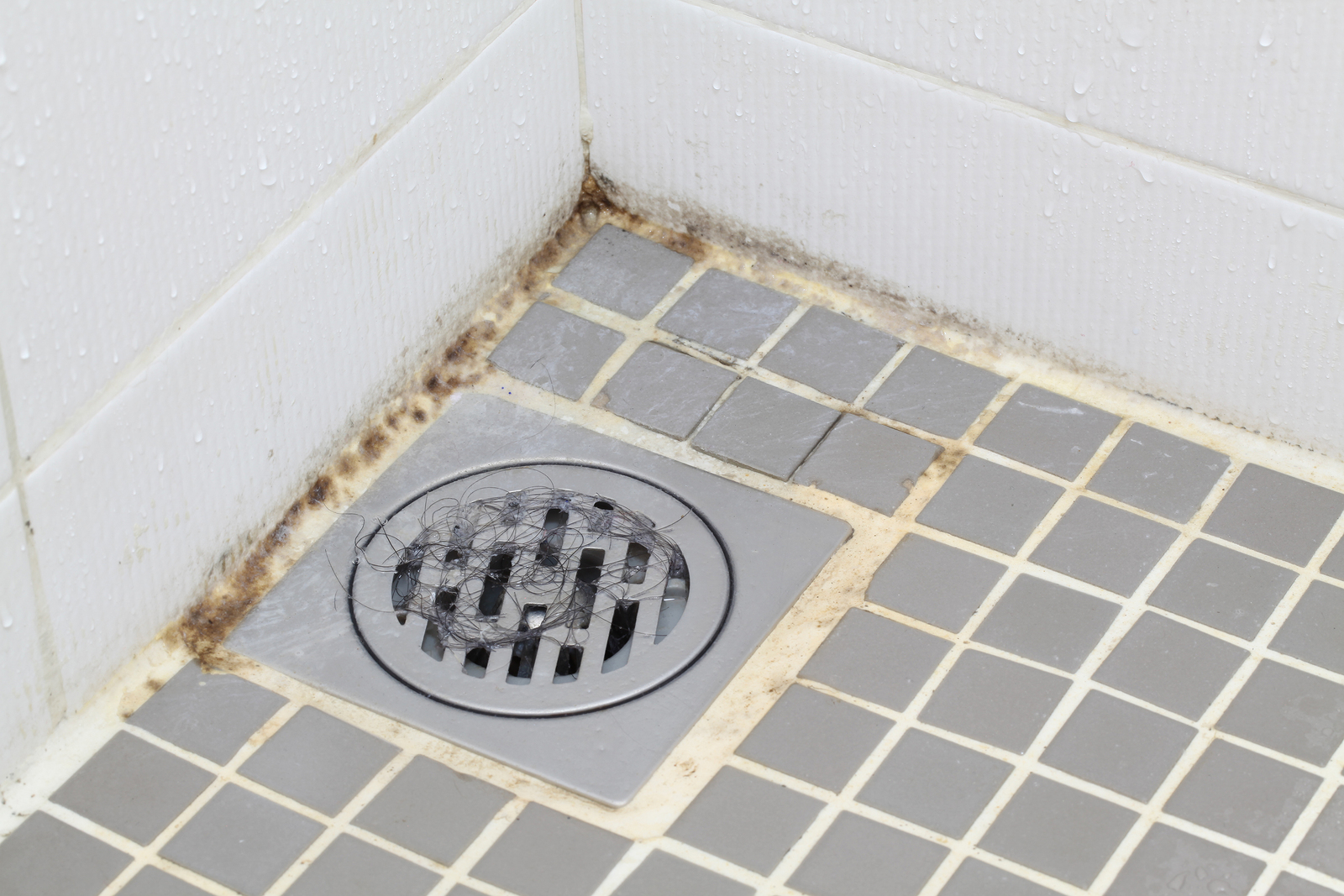
Visible amounts of mold may start as small clusters at first, which is easy to mistake for dust or soot. Do not think that by wiping away these patches that you are nipping the problem in the bud. There is most likely a bigger colony that may not be in the same area. Other signs of growth can be chipped, bubbling, crackling paint or wallpaper. Discoloration, water stains, warping and bulging walls are also a good sign that there may be mold in the immediate area.
OTHER SIGNS

If you have continuous moisture problems, you also have to consider that your house is a breeding ground waiting to happen. Notice where condensation on metal pipes and windows occur often, this can be a site for future mold growth. Obviously, leaks and floods also contribute to the problem.

Once you have ascertained that there is mold on your home, do not waste time as mold can get toxic pretty fast. Call EcoPure Restoration for reliable mold remediation. http://www.ecopurerestoration.com/restoration-services/mold

Monday, 27 July 2015

Fire Safety Tips

Fire is among the most horrifying disasters that can happen in life. Losing property to a fire is so devastating that one could wonder how one could ever recover from it. Fire can eat up everything we have, even our loved ones’ lives. It is important to be wary to avoid huge property damage. Here are some basic tips to consider.

Kitchen and Heater

  • Try to avoid dozing off if you have the stove or oven running.
  • Use a timer to remind you of the food that you are cooking
  • If your oven doesn’t have a timer, your phone or a traditional alarm clock will do
  • Keep food packaging away from stove top area
  • Put a fire extinguisher near the kitchen
  • Never leave heaters running all day or night
  • Keep the heater out of reach of children and pets
  • Make a fire escape plan

In Case of a Power Outage

A candle is a dependable companion during unexpected power outages so it’s important to keep our temporary lights attended.
  • Extinguish candles before going to sleep or when you’re going out
  • Keep a few feet’s distance between candles and any flammable objects
  • Use candle holders with flat surfaces
  • Use flashlights instead of candles if they’re available and more practical 

In Case of Sudden Fire

Just the idea of getting victimized by fire is frightening, so it’s in our best interests to take every precaution. In case fire happens, call the firemen hotline ASAP and move out from the burning area. Inform the neighborhood of what’s happening and seek help. Wait for the firemen and don’t enter your home without the authorities’ go signal. After the fire is out, call a professional restoration company for help. EcoPure Restoration is 24 hours on call. They will assist you in cleaning and inspecting your home for restoration and mold remediation needs. Save 858.277.15 in your phone directory so you always know who to call when it’s time to rebuild. http://www.ecopurerestoration.com/


Monday, 18 May 2015

Mold and Your Home

Mold is a type of fungus that is omnipresent in nature. Outdoor, it plays an important part in nature by breaking down dead organic matter like dead trees and fallen leaves. Indoors, mold growth should be prevented. It can cause health problems and damages your property. It multiplies by means of tiny spores, spores that are invisible to the naked eyed and floats around through the outdoor and indoor air. Mold can begin growing in your home when spores land on surfaces that are wet. There are many types of mold and none of it can grow without water and moisture from high humidity.


Mold and Your Health

Molds are not a problem unless spores land on a damp surface to begin growing and be left untreated for a long time. There are molds that produce mycotoxins, a toxic substance that can cause serious health problems to humans. Some produces allergens that can cause allergic reactions. Sensitive individuals can easily get allergic reactions if they accidentally inhaled or touched molds. They may experience sneezing, runny nose, skin rash, and red eyes. When you see signs of mold growth, immediate action is a must. For a thorough mold remediation, call EcoPure Restoration at 877.982.7873!


Wednesday, 29 April 2015

Large Scale Levels of Mold Infestation

As the levels of mold infestation increases, the action required should be immediate. Although there are some handymen who can handle the extent of the job, there are mold remediation experts who can handle the situation for you, while you stay safely away from the contamination. These last two levels are the most difficult and dangerous levels of a mold infestation; taking precaution and ensuring safety are the priorities.


Level 4: Greater than 100 Square Feet

Depending in the intensity of the infestation, the best course of action for dealing with a level 4 mold infestation, is calling a mold remediation expert for assistance. If you are planning to take part in the remediation process, here are some precautions you should take:

  1. Everyone involved in the mold remediation process should be properly trained in handling hazardous materials.
  2. Make sure you are equipped with full face respirators with HEPA (high-efficiency particulate air) cartridges.
  3. Wear disposable protective clothing covering both head and shoes.
  4. Isolate the working area by sealing vents, ducts, grills, and other openings.
  5. Set up a “decontamination” room.
  6. Monitor air conditions before moving back into your home to ensure safety.

Level 5: HVAC Systems

Level 5 is perhaps the most dangerous type of mold infestation since it involves the air you breathe. Applying all the necessary precautions will be important to keep everyone healthy. Follow these steps as soon as you notice there is mold growth in your HVAC system:

  1. Shut down the entire HVAC system before starting the mold remediation process.
  2. Growth-supporting materials that are contaminated should be removed, sealed, and secured before disposing.
  3. Use an effective and a broad spectrum of antimicrobial agents that prevents the growth of microorganisms.


Consider asking a mold remediation expert for advice on effectively dealing with high level mold infestations. Stay safe and healthy by acting quickly and preventing mold from festering and taking over your home.

Friday, 17 April 2015

Small Scale Levels of Mold Infestation

At what point is the presence of mold inside a home considered an infestation? There are different categories or levels to consider the extent of mold. Identifying the level of infestation can help homeowners determine if they can handle the situation themselves or if it is already time to call in the help of mold remediation experts. If you are dealing with mold in your home, the distinction of levels will help you:


Level 1: 10 Square Feet or Less

Almost every household will have to deal with mold. Handling a small scale infestation such as a level 1 scenario is basic and easily done. Here are a few steps to follow:

  1. For people with respiratory or immune disorders, even a level 1 clean up should be avoided.
  2. Always wear gloves, eye protection, and a mask when cleaning up.
  3. Remove infants and people with medical conditions from the surroundings.
  4. Dispose of materials that cannot be cleaned in a sealed plastic bag to prevent further contamination.
  5. Ensure even the smallest of areas are left dry and visibly free of mold.

Level 2: 10 – 30 Square Feet

For a level 2 infestation, the same precautions as a level 1 infestation should be taken. Since the area of contamination is larger than that of level 1, here are some added precautions to take:

  1. Wrap all the moldy materials in plastic sheets and secure with tape before handling these. This will contain the dust and debris and prevent spores from floating in the air.
  2. Double wrap these materials before moving them out of the house. This will stop further contamination.
  3. As soon as the mold removal is done, vacuum the work area and the surrounding areas with an HEPA vacuum and wipe the areas with a damp cloth, but allow to dry immediately.

Level 3: 30 – 100 Square Feet

The contaminated area will be much larger compared to levels 1 and 2, but the same basic precautions should be observed. This will be a bigger job and if you feel as if it is too much to handle, contact a mold remediation expert for help. Here are some added precautions for a level 3 infestation:

  1. Seal vents, ducts, and grills within the working area and areas directly adjacent.
  2. Vacate everyone from the home until the work is completed.

These are just the first 3 levels of mold contamination, as the level increases the work and necessary precautions will also increase. Check back for an update with the last 2 higher levels of mold infestation on the next post.

Monday, 2 March 2015

Mold Clean-Up Facts

The thought of mold invading our houses is terrifying; but before panicking there are some facts about mold inside the house you should know.

 
• Mold can be found everywhere and it is very hard to avoid being exposed to it.

• It grows all year round and is found both indoors and outside.

• It only takes moisture, warmth, and food for mold to grow.

• Common places for mold to grow inside the house are bathrooms, kitchens, and basements.

• In just 48 hours, mold can begin to grow in a moist environment with the aid of the right room temperature.

• It is difficult to avoid mold spores, but regular cleaning can help in preventing severe mold infestation.

Determine the Clean Up

When it comes to mold remediation, there are a few factors to consider before deciding on who should handle the situation. First thing to look at is the size of the infestation. If the problem covers less than 10 square foot, you will be able to clean it up yourself with household cleaning products.

If the mold infestation expands wider than the 10 square foot radius or if the growth is alarming to the point that a foul smell is created, a professional mold remediation expert should be called in for help. It is crucial to address a mold infestation as soon as possible because there are many health ramifications that can occur if it is left untreated. Not only will the mold destroy your home, but it can endanger your family’s respiratory health as well.